thought leadership
Rethinking accessibility in the workplace: Learning through mentorship
June 30, 2026
The conversation around workplace accessibility is growing, but meaningful change still depends on organizations creating opportunities that are truly inclusive. Through our partnership with Creative Equals, we’re learning that the path to a more accessible workplace becomes a lot clearer when you let lived experience lead the way.
When employers talk about diversity, equity, and inclusion (DEI) in the workplace, accessibility can often be the piece of the puzzle that gets overlooked. 16% of the global population lives with a disability, but only two in five disabled individuals are in active employment in 2026. Clearly, employers still have a long way to go.
Since 2019, we’ve been partnering with Creative Equals, a UK-based creative change consultancy, to help raise awareness around inclusion and accessibility in the workforce. Each year, mentors from Avalere Health participate in their Disabled Creatives program – a bootcamp for creatives who identify as disabled, neurodivergent, or who live with mental health or chronic health conditions.
“It’s a real privilege to be part of Creative Equals’ Disabled Creatives program and witness the work the cohort are doing alongside the learnings our team take away from an accessibility point of view,” says Kirsty Wear, VP of Talent. “As our talent lead, my focus is making sure we are fully grounded in how we attract and welcome talent – but this has to be an approach that recognizes different needs from our candidates. We must walk the walk and Disabled Creatives has taught us so much over the years.”
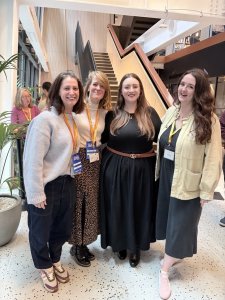
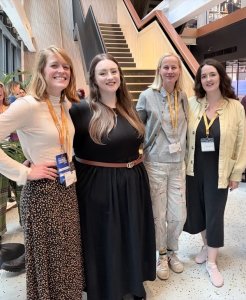
This year, three Associate Creative Directors from our Global Marketing team – Rhianna Goozee, Philippa Humphry, and Rachel Kelly – volunteered as mentors for the Disabled Creatives program. As Rachael Clarke, VP People for Global Marketing, puts it: “When our marketers and creatives engage with these conversations firsthand, they bring that thinking back into everything they do – enriching our workplace culture that’s committed to supporting every person possible.” Here’s what our mentors took away this year:
- Accessibility in the workforce starts earlier than you think
As a first-time mentor, Rhianna was particularly struck by the impact of considering accessibility early on in the hiring process – before a candidate has even been hired.
“It’s so important companies think about ways they can make job ads themselves more accessible – keep the language plain, make sure systems are compatible with screen readers, and clearly state that you welcome applications from people with disabilities or under-represented groups,” she explains.
It’s also crucial candidates be given the opportunity to raise any barriers early in the hiring process so they can be addressed as quickly as possible. And if employers are unsure where they’re falling short, ask the people who know. “Bring someone with lived experience into the recruiting process or invite feedback from applicants – successful or not – so you can actually learn from their experiences,” Rhianna suggests.
- Flexibility isn’t a perk – it’s a necessity
For many people living with a disability, flexible working isn’t a nice-to-have. It’s what makes work possible for them. “Home working is not a benefit for some, it’s a necessity. And the more open and flexible companies are, the more inclusive and diverse they will be,” says Philippa, a second-time mentor this year.
A rigid, one-size-fits-all approach to how, when, and where people work will always leave some people behind. Removing those barriers doesn’t just help individuals – it widens the talent pool and strengthens the whole team.
Adds Kirsty, “As we see more companies row back on the flexibility they offer employees, it makes me proud of Avalere Health’s ‘Magnet, not Mandate’ approach which takes a stand against mandated office returns. This remains a key part of our philosophy because we know this flexibility is making employment and careers possible for many people with disabilities. It’s something we’re really proud of”.
- Perspective is key: lived experience matters
It’s one thing to talk about inclusion, but it’s entirely different to see it in action. When people with lived experience are given the space to contribute, the results speak for themselves.
“Mentoring for Disabled Creatives really showed how important different perspectives are – something I already knew but feels more powerful when you see it in practice. Seeing how the creatives weaved accessibility through every aspect of their proposals, not only acts as a reminder to consider how inclusive the work we’re doing is, but how lived experience can provide invaluable insights that take accessibility to the next level,” explains Rhianna.
And it goes beyond the work itself – it’s about who is in the room when decisions are being made. As Rachel, another second-time mentor, puts it: “If you want to engage the disabled community authentically, you need to include them. Not as a tick box or campaign theme, but as colleagues, leaders, and decision makers.”
- Celebrate individuality; focus on ability, not disability
There’s a tendency in many industries to believe there’s a specific mould you need to fit in order to succeed. But Philippa stresses the importance of challenging this assumption.
“Sometimes our industry makes you believe you have to be a certain way to progress, to get client buy-in or win awards. But the truth is, it’s our individuality that sets us apart. And that’s what we should celebrate and recognize more,” she says.
It’s a mindset shift that sounds simple but can be transformative in practice. Rather than screening people out, Philippa encourages employers to flip the lens entirely: “Look for reasons to hire, rather than reasons not to. You can’t see things differently if we’re all looking through the same lens.” Employers who actively embrace what makes their people different, rather than trying to smooth it out, will build more creative, more resilient, and more human teams.
- Accessibility makes everything better – not just for some, but for everyone
When you put accessibility at the heart of your work, it’s not just representation that improves, but the work itself. As Rachel observed during the program, “Constraints can often sharpen ideas, rather than limit them. Bringing accessibility to the forefront of your work drives better creativity – when you design for the sidelines, you improve the experience for everyone.”
Seeing how the Disabled Creatives participants wove accessibility through every aspect of their assignments was a powerful reminder of just how much accessibility can elevate a piece of work. Rachel also believes the healthcare sector has something valuable to offer other industries: “Our obsession with clarity, legibility, and audience understanding is not restrictive. It is respectful. Other sectors can borrow more from that mindset.”
Interested in learning more about how we’re building an inclusive workplace culture? Check out our DEI page: https://avalerehealth.com/careers/diversity-and-inclusion/